
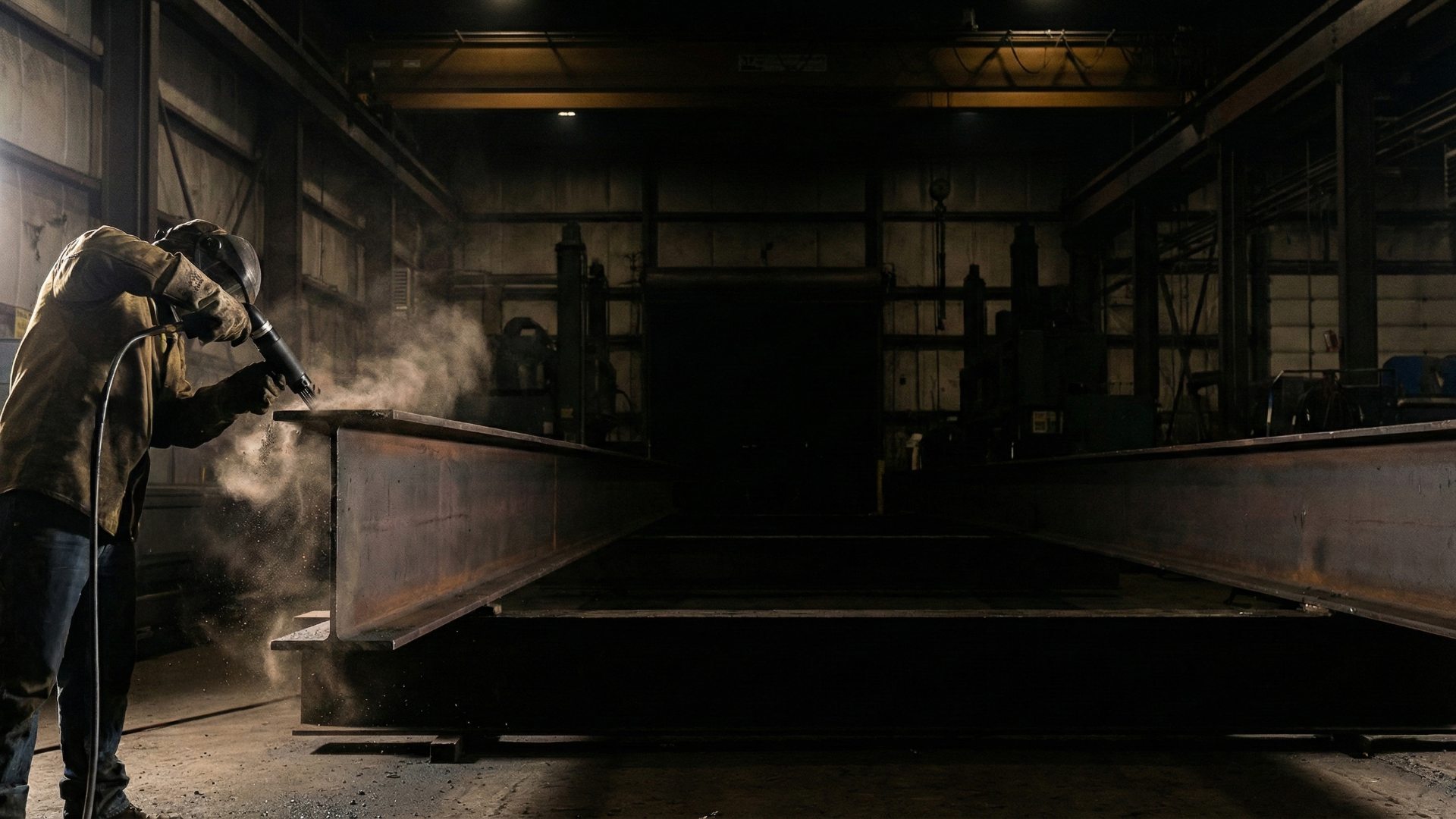
HAVS Regulations: Understanding EAV and ELV
To protect your workforce from Hand-Arm Vibration Syndrome (HAVS), you need to understand the numbers. Regulations aren't just paperwork; they are the line between a safe workday and permanent injury.
Regulatory frameworks in the UK and EU are built on scientific evidence linking specific vibration levels to health outcomes. But what do terms like A(8), EAV, and ELV actually mean for your daily operations?
The A(8) Measurement
Managing risk starts with the A(8) value. This measures the daily vibration dose normalized to an eight-hour reference period. It accounts for two things:
Magnitude: How much the tool vibrates.
Duration: How long the worker uses it.
Tools with high vibration levels consume this daily "budget" very quickly.
The Critical Thresholds
There are two main numbers you must know:
1. Exposure Action Value (EAV): 2.5 m/s² A(8) This is the yellow light. If your workers reach this level, you are legally required to take action. This includes implementing exposure reduction measures, starting health surveillance, and providing specific training.
2. Exposure Limit Value (ELV): 5.0 m/s² A(8) This is the red light. This is the absolute maximum. Under no circumstances can a worker exceed this limit. If they do, work must stop immediately.
The Real-World Impact: A Tale of Two Tools
The difference between a standard tool and a low-vibration tool isn't just about comfort; it is about how much work you can legally get done.
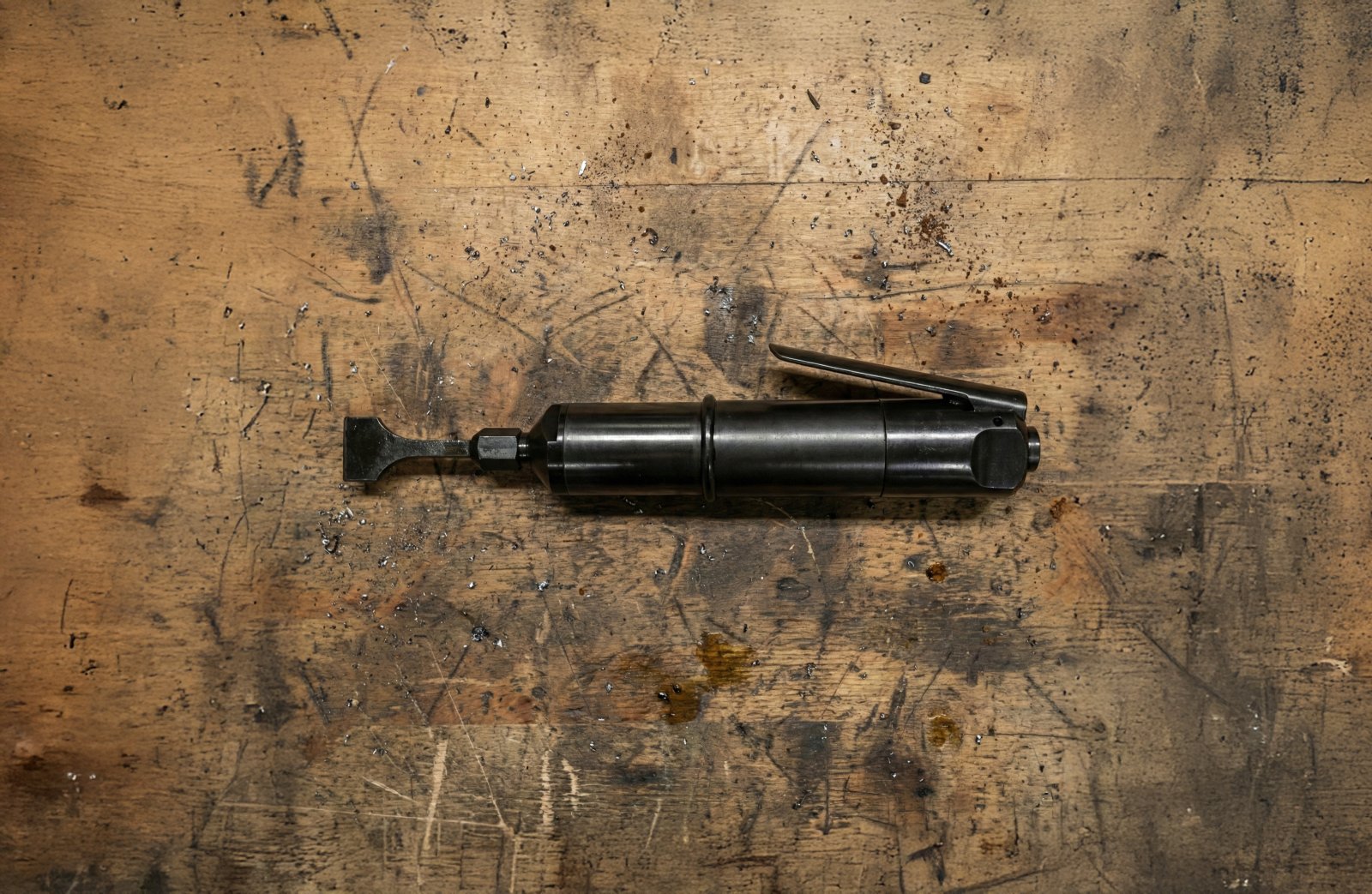
Let's look at a Needle Scaler example:
Standard Scaler (15 m/s²): You hit the Action Value (EAV) in just 13 minutes.
Low-Vibration Scaler (3 m/s²): You can work for over 5 hours before reaching the same risk level.
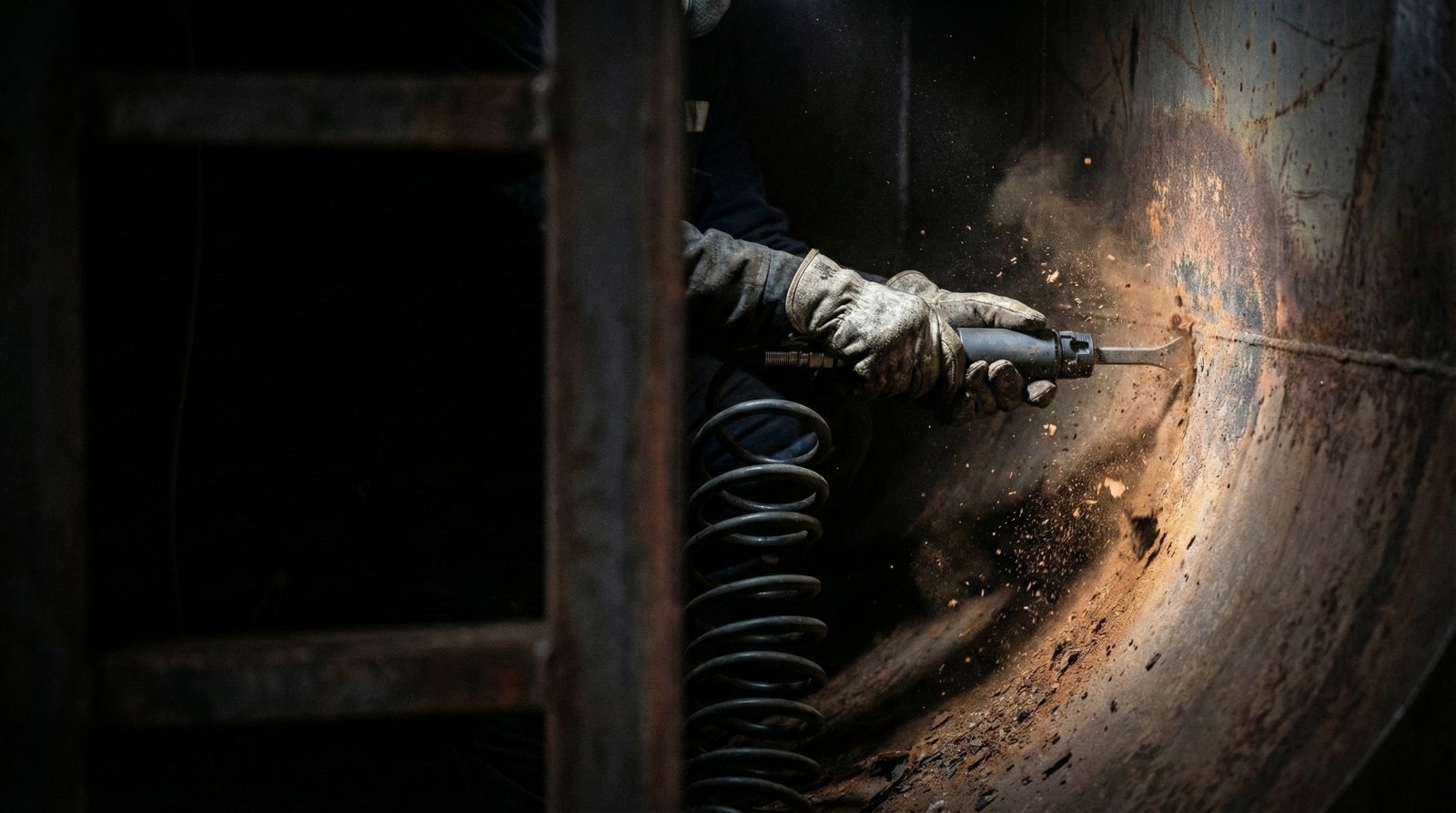
Compliance means reducing exposure "as far as reasonably practicable." Relying on administrative controls like rotating workers is often inefficient. The most effective solution is engineering controls: upgrading to modern, low-vibration pneumatic tools.
By choosing better equipment, you protect your team's health and keep your productivity high without worrying about hitting the red light after just 15 minutes.
Unsure if your current tools are pushing your team over the limit? We can help you calculate your A(8) exposures and suggest safer alternatives.