
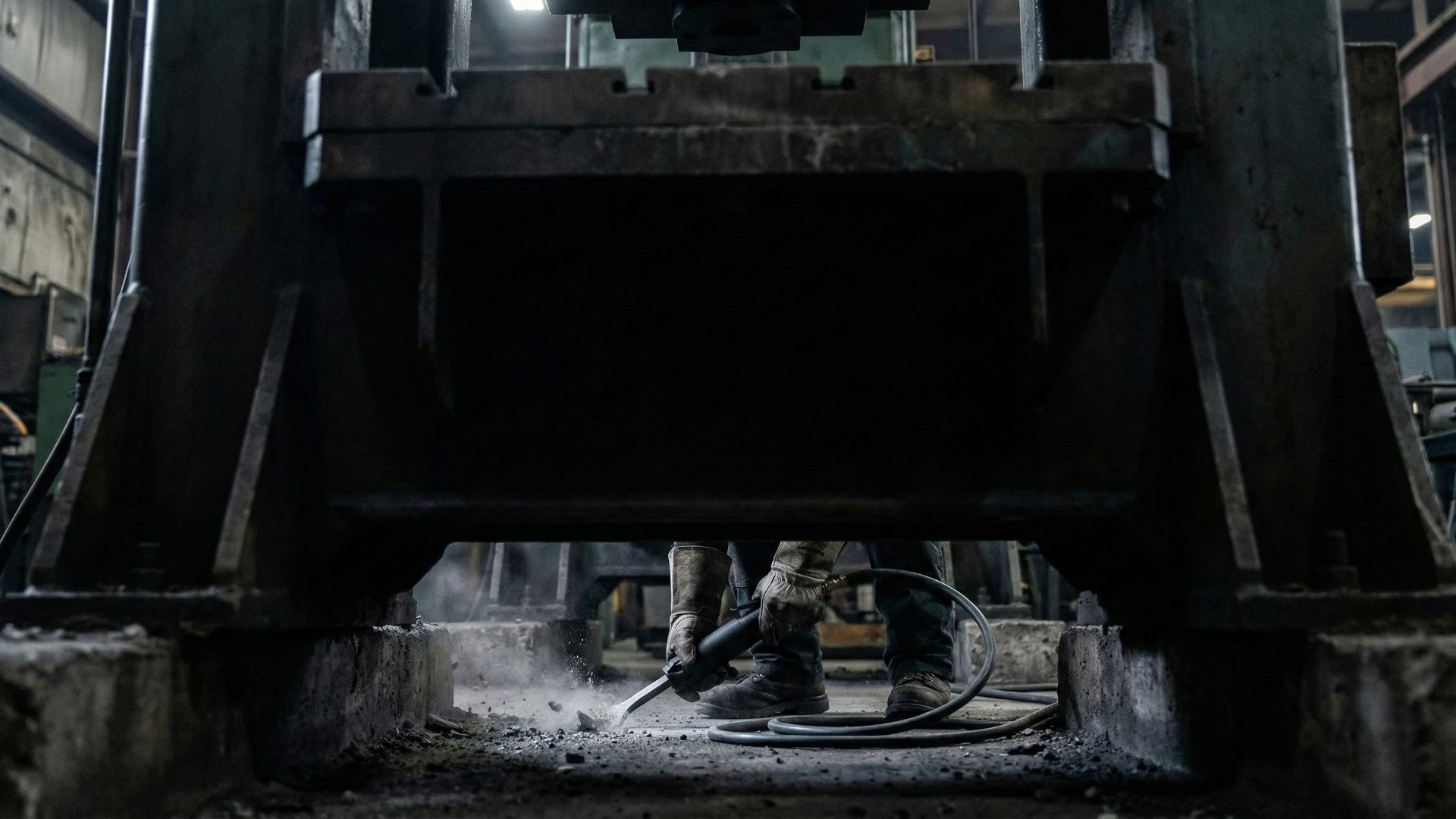
HAVS: How Vibration Affects Your Body and Signs to Watch Out For
Do you work with handheld power tools daily? Then understanding vibration risks is crucial. Hand-Arm Vibration Syndrome (HAVS) is a serious occupational condition that creeps up slowly, but can be prevented with the right knowledge and tools.
Hand-Arm Vibration Syndrome, or HAVS, occurs when the body is exposed to mechanical vibration from tools like grinders, chipping hammers, and impact wrenches over long periods. What starts as a slight tingling sensation can lead to permanent damage to nerves, blood vessels, and muscles if left unchecked.
How is the Body Damaged?
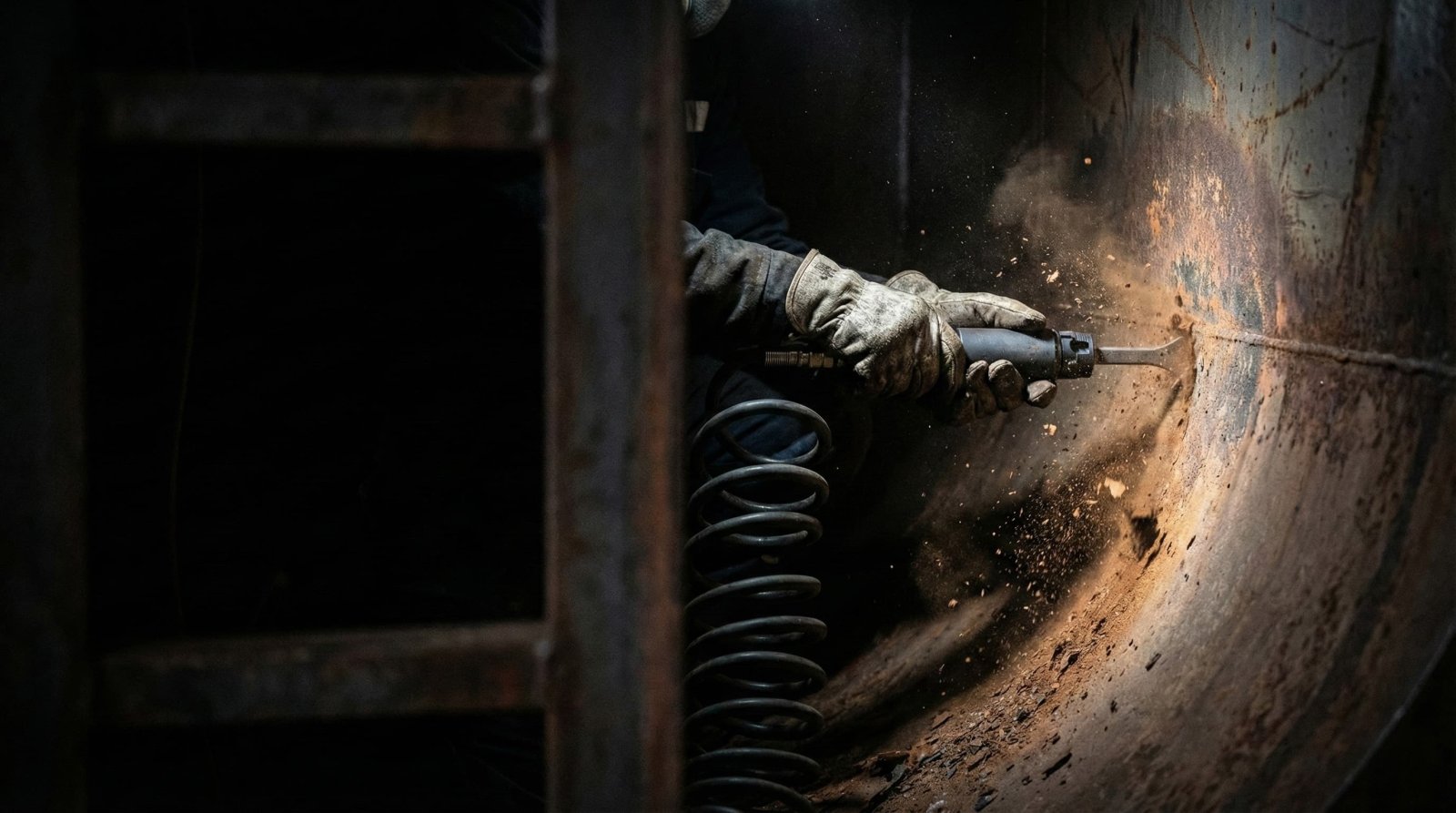
The vibration energy traveling from the tool handle into your hands disrupts the body's natural functions in several ways:
Nerve Damage: Vibration reduces tactile sensitivity in the fingertips, making precision work difficult to perform.
Vascular Damage (White Finger): Blood vessels in the fingers are damaged and become hypersensitive to cold. This leads to "vibration white finger," a condition where fingers turn completely white and lose all sensation during exposure to cold or stress.
Muscles and Joints: The strain increases the risk of carpal tunnel syndrome and joint wear and tear.
Early Warning Signs: Do Not Miss These!
The tricky part about HAVS is that symptoms often appear gradually. Here are the first signs you and your colleagues should watch for:
Tingling and "pins and needles" in the fingers after finishing a shift.
Temporary numbness making it difficult to pick up small objects.
Increased sensitivity to cold, where fingertips begin to change color.

Can You Recover?
Symptoms are a warning sign, not something to wait out. Nerve and vascular damage from HAVS is, in practice, irreversible once it develops. The window that matters is before symptoms appear, when reducing exposure and switching to low-vibration tools prevents the damage from happening at all.
Our Tip: Review your tool inventory today. Modern, low-vibration pneumatic tools can dramatically reduce vibration levels, often enough to allow a full day's work without reaching dangerous exposure limits.
Want to know more about how to measure your vibration levels or which tools are best for your operations? Contact us for a consultation!